"Fire cleanses. Ash remembers. And the Crown — waits." — inscription above the gates of the Citadel of Ash
Prologue. Ash on the Snow
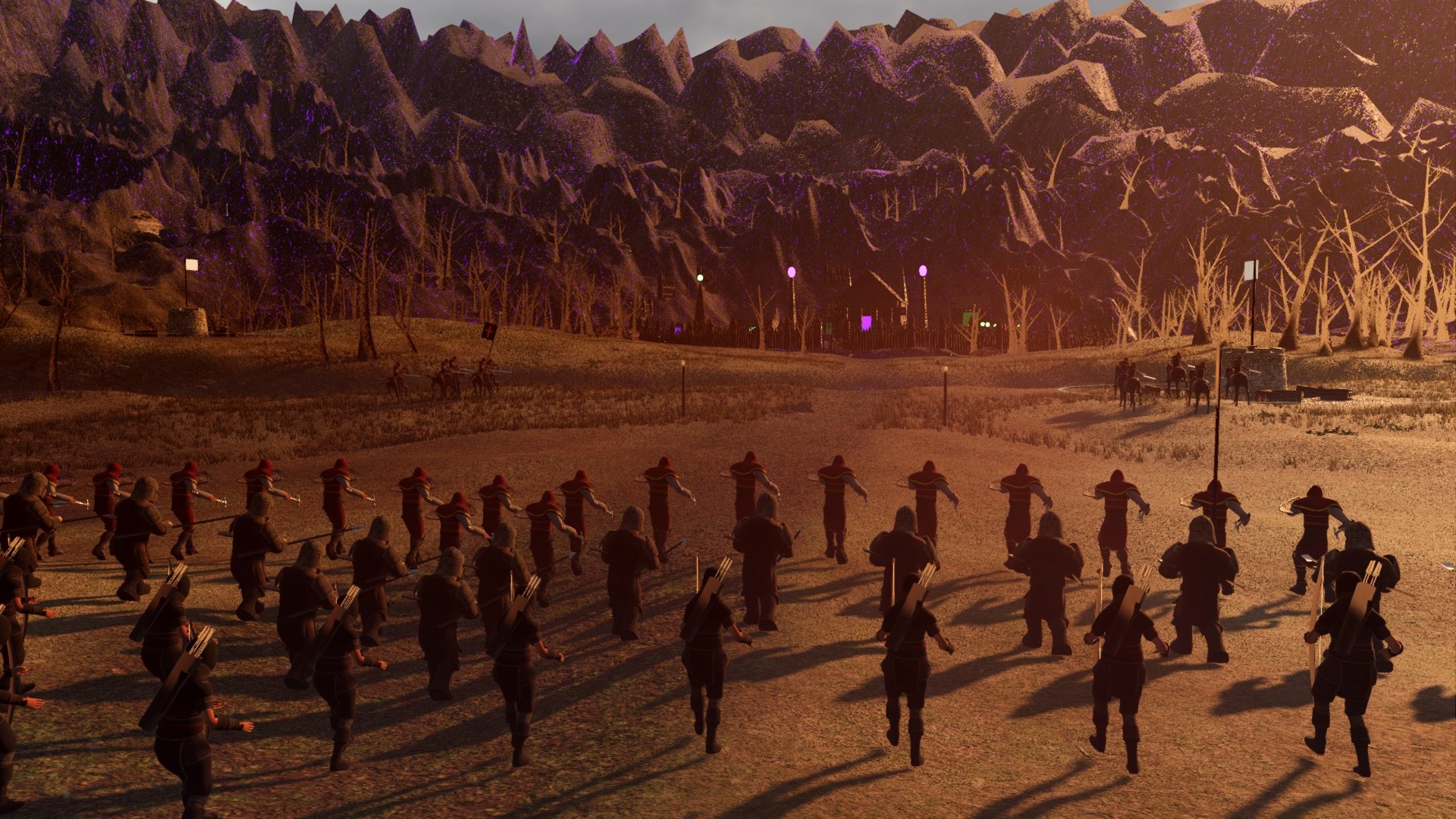
That winter the snow fell grey over Valdmar.
The old ferryman at Saint Irma's Ford was the first to notice that the river would not freeze. Black water ran beneath a thin skin of ice, and beneath the ice, if you looked long enough, there were faces. He told the tavern on the western bank about it until his voice gave out — and nobody laughed. In Valdmar, people stopped laughing at such stories a long time ago.
Three nights later a faceless rider came out of the east and threw a sack at the gates of the Citadel. In the sack was the head of a monk from the Monastery of Embers, and in its mouth was a coal, still warm. One word was burned into the coal: "Found."
So began the War for Valdmar. Not the first war — but, as the old chroniclers say, the last. Because what had been found was the Crown.
Part One. The Star That Became a Crown
The Fall of Fire
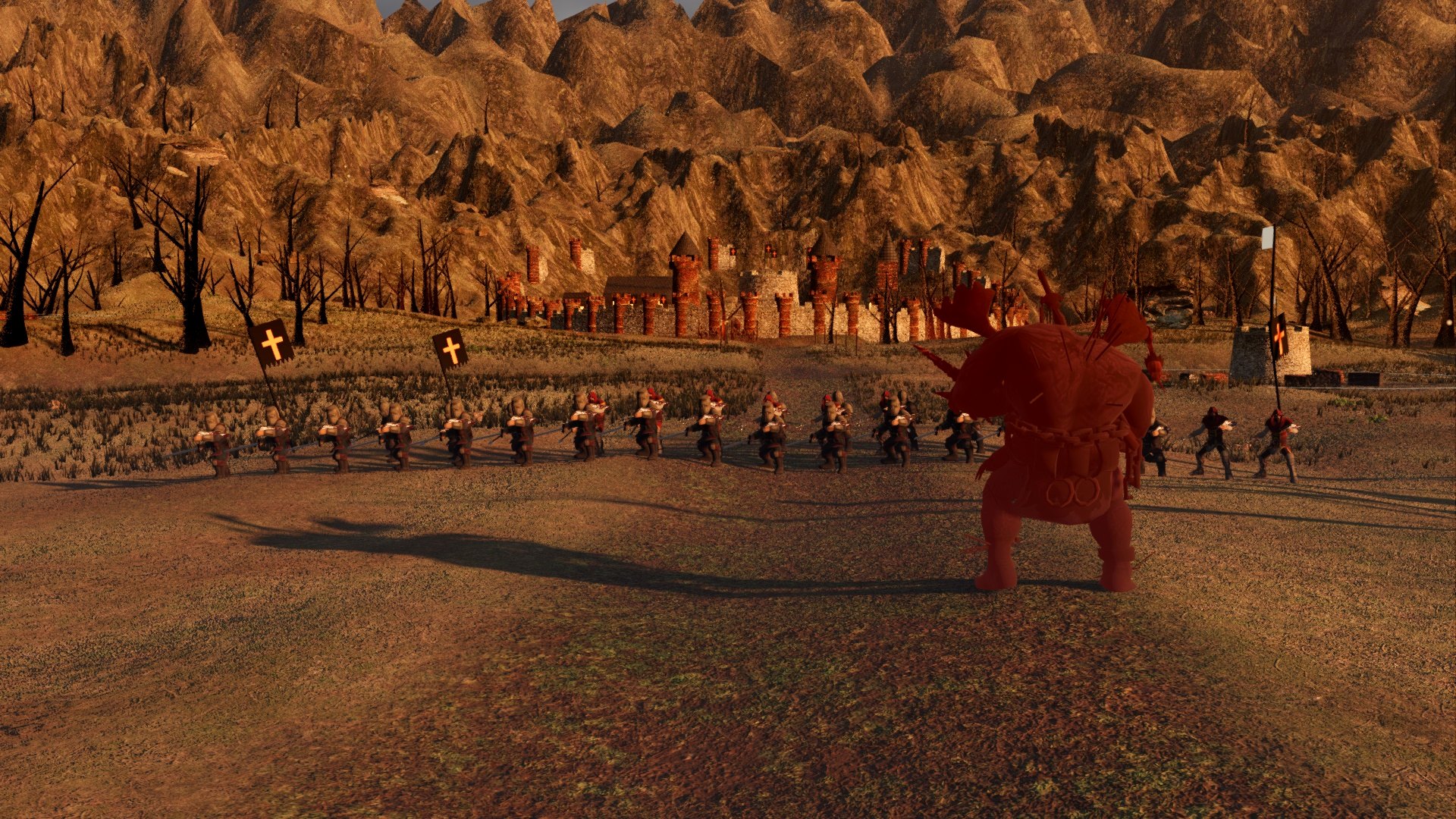
Long before the kings, only the clans lived in the valley of the Black River — hunters and herders who prayed to their ancestors at circles of standing stones. One night the sky split open, and a star fell into the valley. It burned for forty days, and all that time the earth around it groaned like a living thing. The shamans who went to look at the wonder never came back. Those who watched from afar said the men stood around the fire and bowed to it until nothing was left of them but shadows on the scorched ground.
The star was not a star. It was a fire from beneath the world — an ancient hunger with no body, only want. Later it would be called Azgar.
Vald the First
From beyond the southern mountains came a smith named Vald. He did not bow to the fire. He brought chains blessed in the waters of the Black River, and for seven days he forged, above the fallen star, a circlet from its own cooling metal. On the eighth day he closed the circlet — and the fire was inside it: crushed, chained, but alive.
Vald set the circlet on his head. So came the Crown — and the first kingdom of men. The land was named after the smith: Valdmar.
From then on the Crown held everything. While a rightful king wore it, the dead slept in their barrows, the clans remembered the oath they had sworn to Vald on their knees, and the fire beneath the world was silent. The kings of Valdmar used to say: "We do not rule this land. We hold it down, so it does not wake."
The clans that would not bow to the iron circlet Vald drove north, beyond the Raven Wood. They went — but they carried with them a prophecy of their shamans: "When the iron ring cracks, we will return to the plains of our fathers."
Six Hundred Years of Peace
For six centuries Valdmar lived beneath the Crown. In the west rose the capital — Ardenna, a city of white stone and copper roofs. In the east, in Elm, lay the royal tombs: there, in the Black Crypt, rested every king from Vald to the last. The Keepers of the Crypt, generation after generation, were the Counts of Elm — a younger branch of the royal line.
The chroniclers call it the Golden Age. But in that age the Crown kept one secret, known only to the kings and the Keepers: every night the Crown grew a little warmer. The fire inside was not asleep. It was waiting.
Part Two. The Night of Ash
The Quiet King
The last king of Valdmar was Ardric the Quiet. He was kind, wise and childless. In the year 611 of the Crown he named as his heir not a kinsman but his ward — an orphan of common birth, the finest of the royal knights.
One man did not like that decision. Valdrek, Count of Elm, Keeper of the Crypt and cousin to the king, believed the Crown was his by blood. For six centuries his forefathers had guarded the dead kings — and not one had ever worn the Crown. Valdrek decided his line had waited long enough.
The Rite
The Keepers knew what no one else knew: the Crown is bound to the Crypt. Every king, going down into the grave, left a piece of his will within the Crown — that was how the chain held. For years Valdrek read the forbidden writings of the first Keepers in the Crypt, and he found a way to turn the chain backwards: to take the will of all the dead kings for himself and wear the Crown not as an heir — but as the master of death itself.
On the night of the coronation, while all of Ardenna feasted, Valdrek went down into the Crypt. He opened the sarcophagi of sixty kings and read their names in reverse, from Ardric back to Vald.
In that same moment, in the throne hall of Ardenna, the Crown on the old king's head burst into flame.
The Burning
The Crown blazed as it had on the day of its birth. King Ardric burned on his throne in a single instant — all that remained of him was a silhouette on the stone, which, they say, can still be seen in the Ruins of Ardenna. The fire broke out of the hall and ate the city in one night: the white stone turned black, the copper roofs ran down the streets.
And when morning came, the Crown lay on the ashes of the throne hall. It was whole — but it no longer shone. It had turned grey as a cold coal and heavy as a gravestone. Whoever touched it with a bare hand lost their voice for three days.
So it got its name — the Ashen Crown.
The Bonds Break
Valdrek's rite did not give him the Crown — but it broke the chain. Everything the iron circlet had held for six hundred years was loosed at once:
- The dead rose. All across Valdmar, from barrows, crypts and mass graves, those who should have slept stood up. But they were not free — they heard the voice of the one who had last read the names. The voice of Valdrek.
- The earth split in the south. The fire bound in the Crown could not break out whole — but at its call a Rift opened in the southern hills, and out from beneath the world poured those who serve the hunger: demons, imps, spawn.
- The clans heard the prophecy. The iron ring had cracked. North of the Raven Wood the shamans struck their drums for the first time in six centuries.
Count Valdrek did not die in the Crypt. The chronicles say he became neither living nor dead: his heart stopped, but his will remained. The city of Elm, where he ruled, never noticed its own death: its people still walk its streets, trade and pray, not understanding why they never grow old and why the sun gives no warmth.
That night was named the Night of Ash. A new count of years began with it — bitter as cinders on the lips.
Part Three. Saint Irma and the Birth of the Order
The Ford
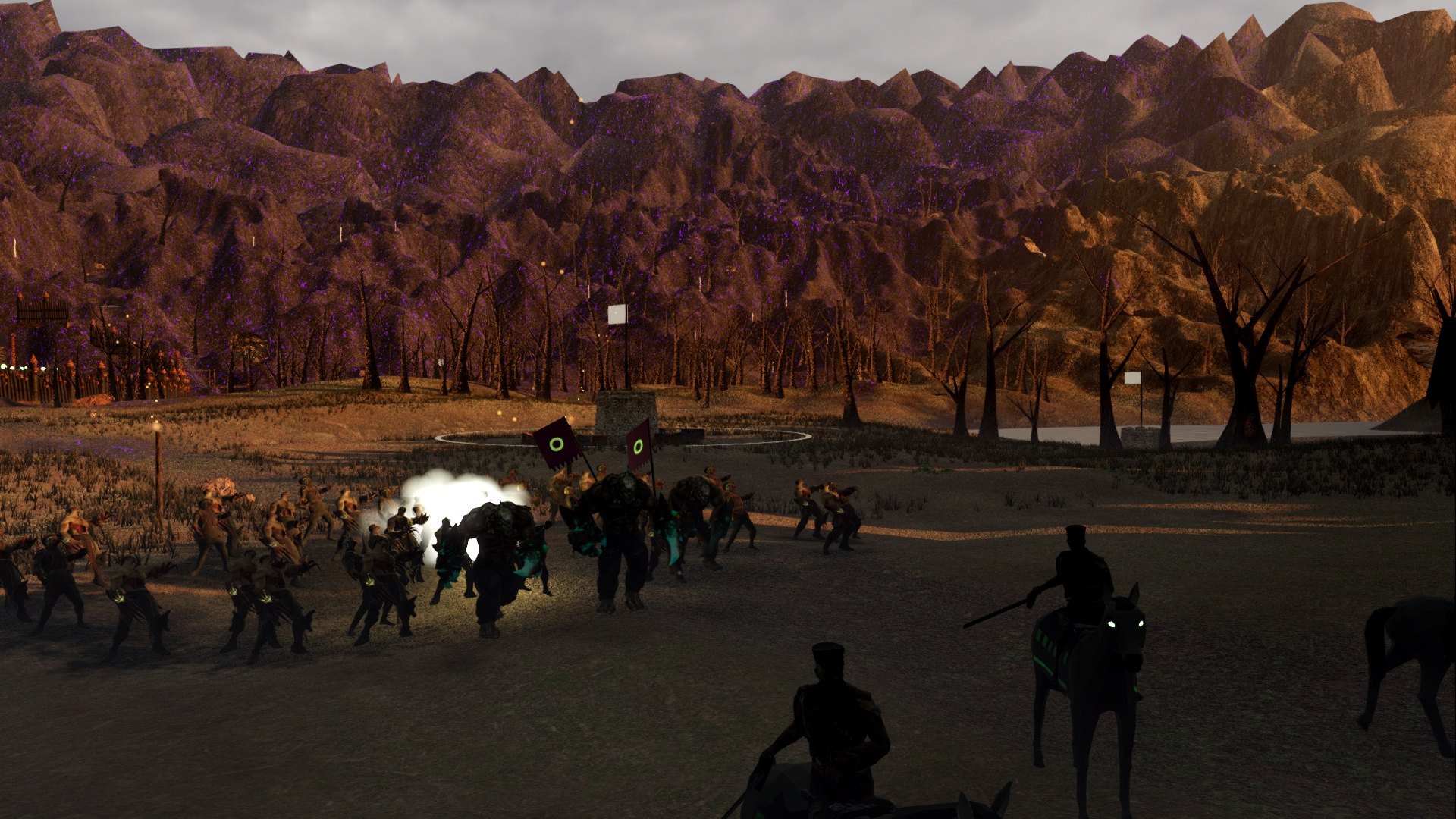
A month after the Night of Ash, the first army of the dead came down to the ford across the Black River. Before it fled refugees from the burning villages. On the western bank only Irma was waiting for them — a simple priestess from a roadside chapel, a ferryman's daughter.
Irma had no sword. She had a lamp, and in the lamp a coal brought from the ashes of Ardenna. When the first of the dead came out of the water, she broke the lamp against its chest. The dead thing flared up and crumbled into grey ash — the same ash that lay on the ruins of the capital.
The refugees saw it — and understood: the dead fear fire. And fire born of Ardenna's ash burns them like no other.
Irma burned on that ford for three days, lighting torch from torch, and the ford held. On the third night she fell exhausted, and she was caught by the hands of the first brothers of the Order — refugees who had become warriors.
The Order of Ash
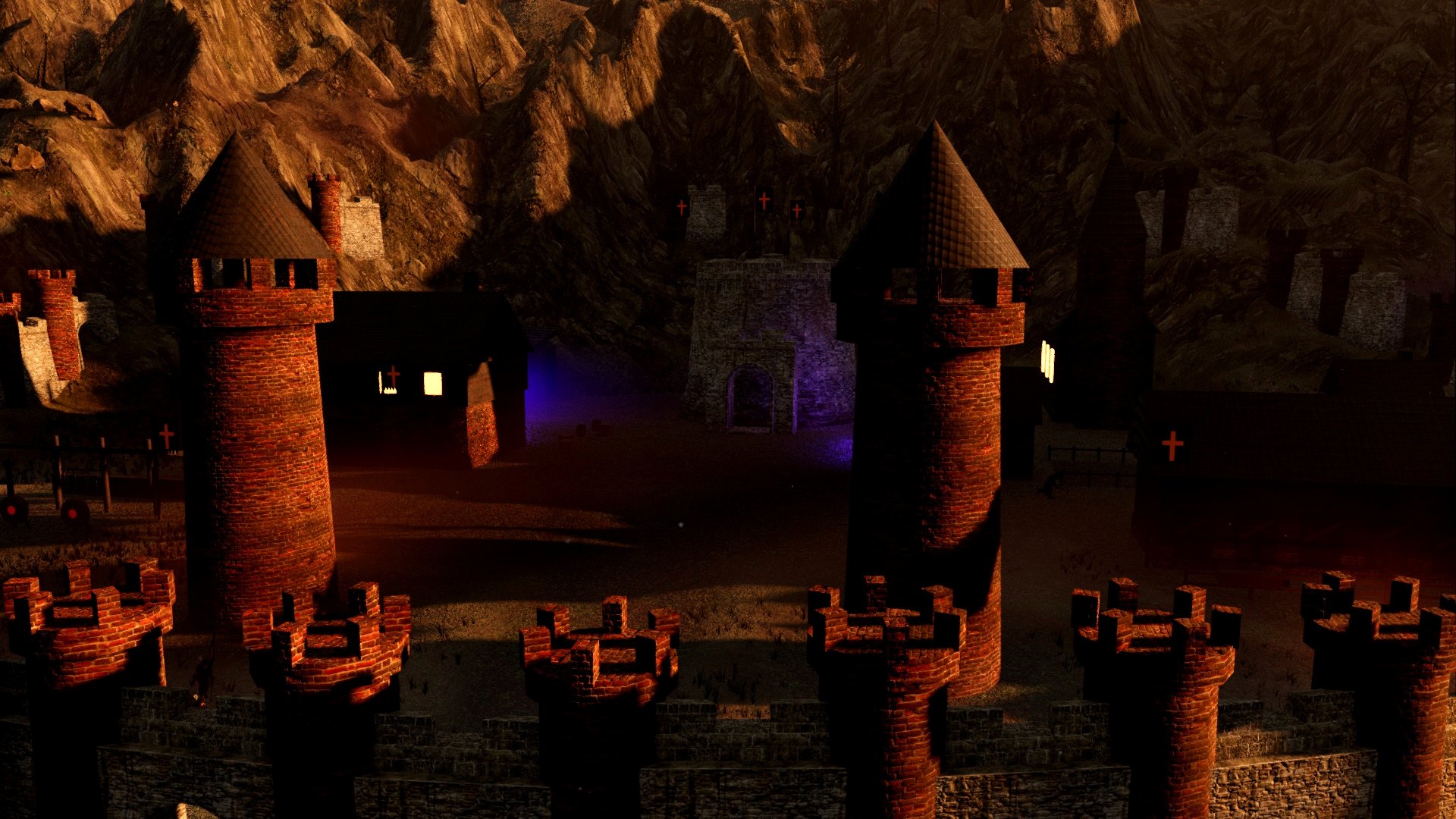
From those who stood at the ford, the Order of Ash was born. Its law is simple: "Fire cleanses. Ash remembers." The Order burns the fallen — its own and the enemy's — so the Count cannot raise them again. It cleanses the land of the Corruption with holy fire and prayer. On the ruins of a western fortress the brothers raised the Citadel of Ash — a stronghold where an undying flame burns, lit from Irma's coal.
In the Monastery of Embers the monks keep that fire and train the Sisters of Ash — archers whose arrows burn. On the Grey Fields peasants grow bread on ashen earth under the guard of spearmen. And Saint Irma herself, they say, never died: one night she walked into the river to guard the ford from within, and the ferrymen still see her lamp beneath the water.
Part Four. A Hundred Years of War
The First War with the Count (615–640 of the Crown)
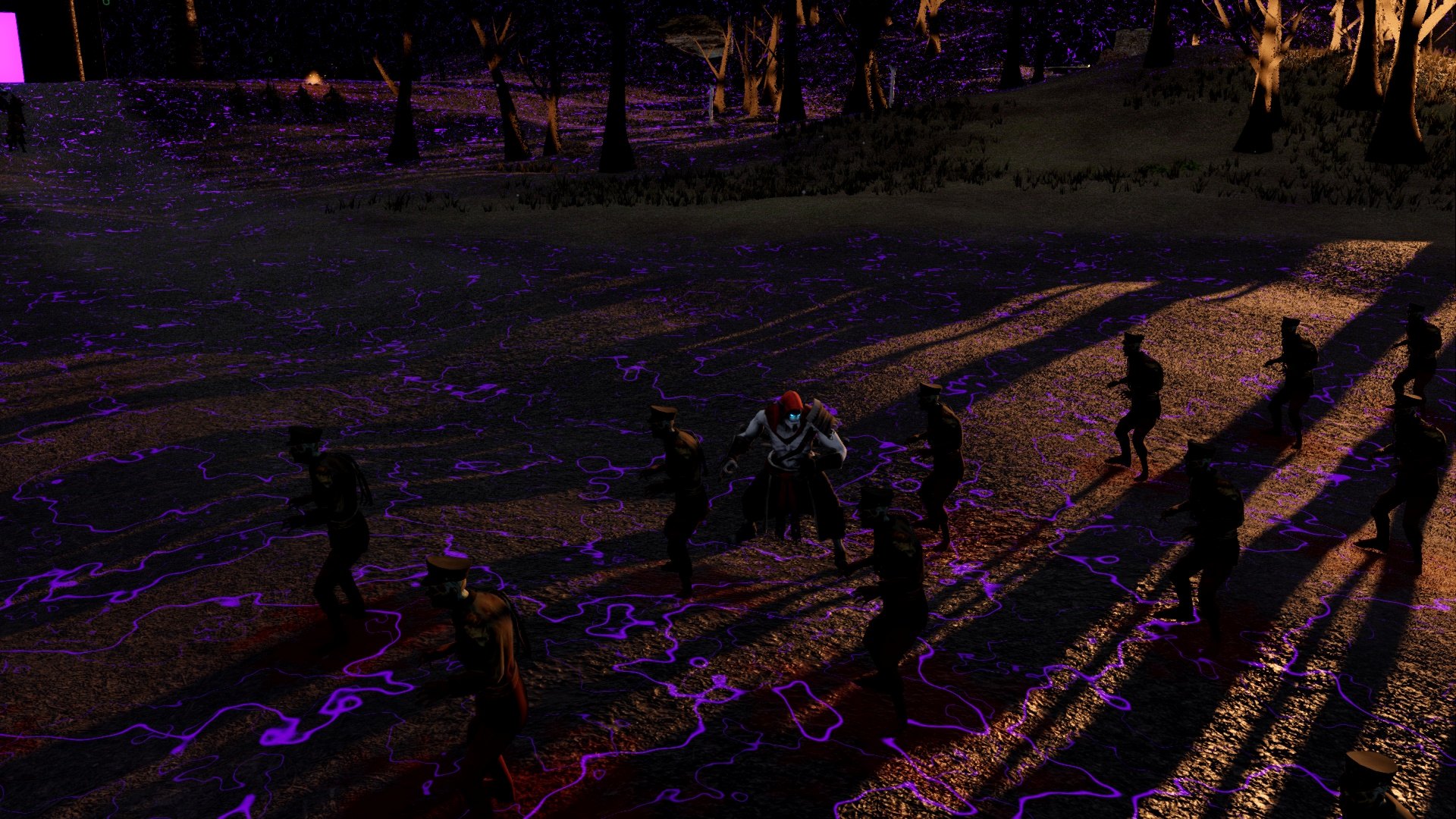
For twenty-five years the Order and the Cursed Court fought over the ruins of Ardenna. The dead do not tire and do not fear, but they can be burned. The living tire and fear, but they are born again. The war was even — until the battle at the Ruins, where the best knights of the Order fell and where the Count himself took the field. Since then the Ruins of Ardenna have been no one's land, and the stones there, they say, remember every blow.
The Corruption
Year after year the Corruption creeps out of the Crypt and out of the Rift — not a disease and not a curse, but the earth's memory of death. Where the dead have walked or the sulphur of the Abyss has spilled, the grass turns black, trees die standing, and violet veins run across the ground, pulsing in the dark. On the Corruption the dead grow stronger and demons heal their wounds. The Order can cleanse the land with fire — but the Corruption returns unless it is burned again and again.
The Widening of the Rift (the 650s)
The Rift in the south grew. Around it the Sulphur Fields began to boil, the Obsidian Ridge set — black glass of lava from which the demons forge their carapaces — and the Burning Waste spread, where fire does not go out for years. Out of the Rift came the Spawn — flesh that remembers no shape — and fire imps, and after them the Maws and the hellhounds. They are ruled by a voice from the fire — Azgar, the Archdemon, who took a body to walk the earth.
Azgar knows what few have guessed: the Ashen Crown is not a crown. It is his prison and his heart. The fire Vald chained six centuries ago is Azgar himself. While the Crown is whole, the Archdemon is only half of what he was.
The Return of the Clans (the 680s)
The Wild Clans came down from the north. Nine clans that had fought each other for centuries were united by one chieftain — Grokh, a giant whose mother, they say, was a woman of the clans and whose father was the spirit of the Wolf Hills. Grokh defeated eight chieftains in single combat at the stones of the Sacred Grove and took their skulls to his Great Tent. The clans accepted him, because the shamans said: "The one who breaks the iron ring will lead us all to the plains of our fathers."
The clans build no fortresses — they raise camps, tame war wolves, saddle bulls, and strip the fallen enemy for trophies and strength. Their fury grows in battle like fire in dry grass.
Part Five. Now. The Year 707 of the Crown
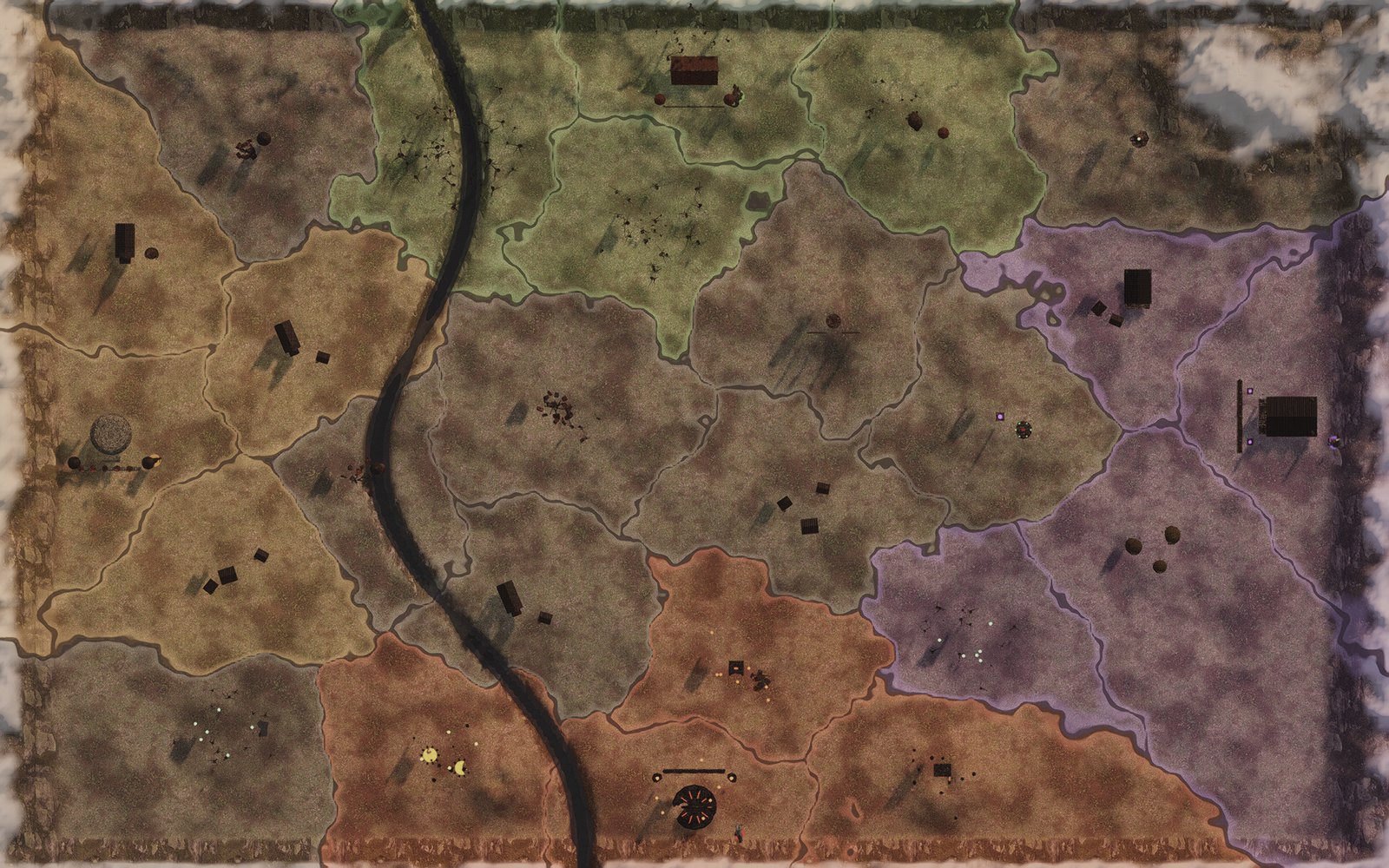
A hundred years after the Night of Ash, Valdmar is split between four powers, and between them lies scorched no one's land: the Wailing Waste at the very heart of the valley, where the wind sounds like a moan; the Quiet Vale, whose villages the Corruption has not yet touched; the Gallows Cliff, from which all of Valdmar can be seen; the Rusty Hill, strewn with the iron of ancient battles.
This winter the monks of the Monastery of Embers, digging in the vaults beneath the Ruins of Ardenna, found what they had been searching for for a hundred years — the Ashen Crown. It lay where it had been left on the night of the fire. The monks had time to send a single word to the Citadel before the dead found them.
Now everyone knows. And every power marches for the Crown — each with its own purpose:
- The Order of Ash wants to rekindle the Crown in the undying flame of the Citadel. Holy fire, its preachers say, will restore the chain — and the dead will sleep forever.
- Count Valdrek wants to finish the rite he began a hundred years ago. If he wears the Crown, his will becomes law for everything that has ever died in Valdmar — and so, one day, for all of Valdmar.
- Chieftain Grokh wants to break the Crown. By the prophecy, the one who breaks the iron ring will lead the clans to the plains of their fathers — and no king will ever drive them north again.
- Archdemon Azgar wants his heart back. If the Crown reaches the Rift, the fire beneath the world will return whole — and Valdmar will become what it was before Vald: ash.
Who is right is for you to decide. Choose a power, lead armies across the map of Valdmar, take lands, storm fortresses, burn the fallen or raise them.
The Crown is waiting.
The Powers of Valdmar
The Order of Ash — "Fire cleanses"
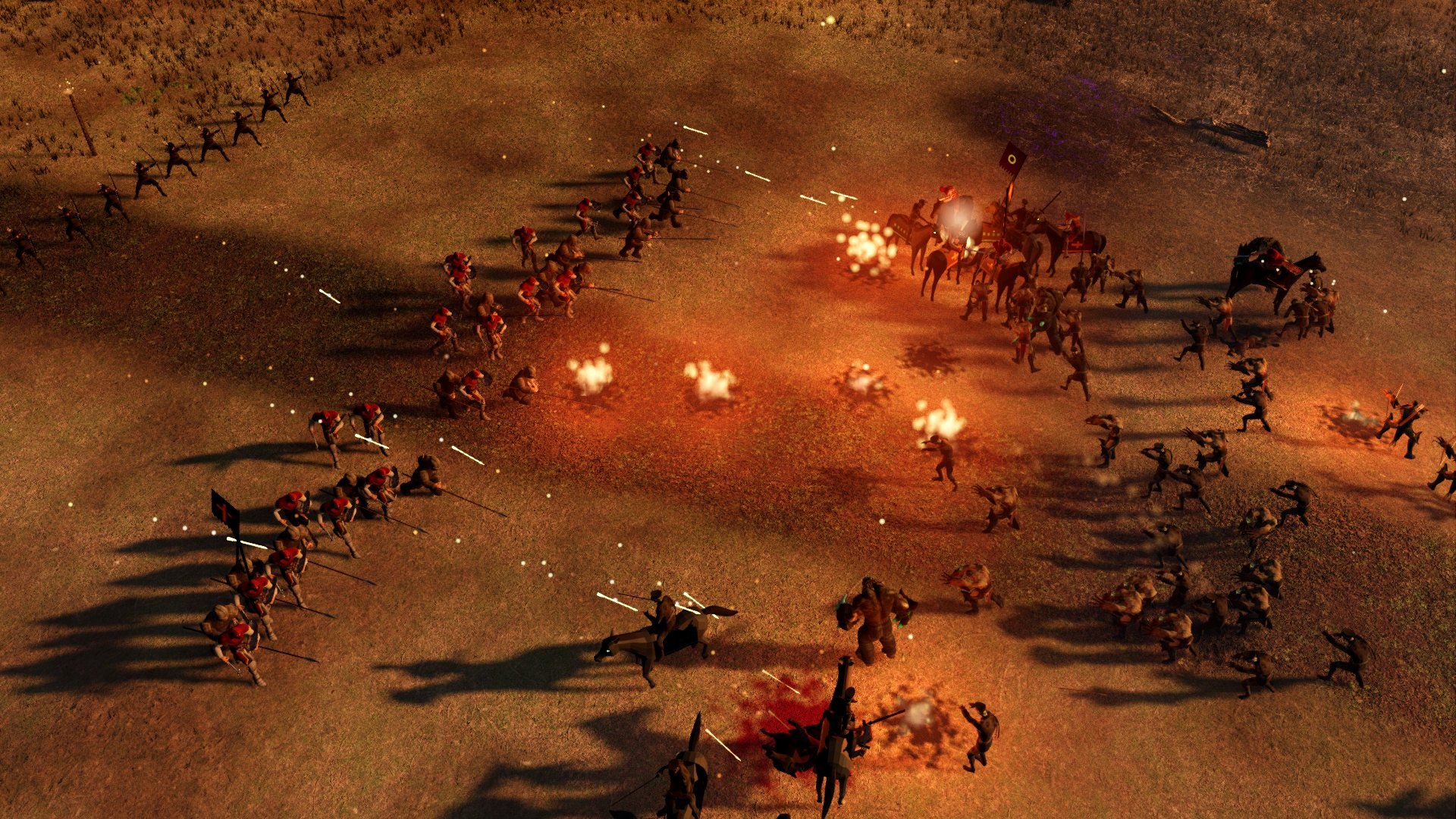
Fanatical knights who burn the dead. Steadfast infantry and the shield wall, the Sisters of Ash with burning arrows, templar knights on heavy horses, trebuchets. The Order burns the fallen for Faith, trades in its markets, raises stone walls and cleanses the land of the Corruption. - Lands: the Citadel of Ash, Saint Irma's Ford, the Grey Fields, the Monastery of Embers. - Hero: Inquisitor Alaric — the Cleansing Fire. - Resources: gold, steel, faith, bread. - Powers: Battle Hymn, Mercy, Rain of Fire, Hallowed Ground, Knights of Ash, Wrath of Heaven.
The Cursed Court — "Death is only the start of service"
The undead, who raise the fallen. Countless skeletons and zombies, dead spearmen and bone archers, death knights on pale horses, ghouls and plague catapults. The Court does not fear losses — every fallen enemy may rise into its ranks. At night and on the Corruption the dead grow stronger. - Lands: the Black Crypt, Valdrek's Barrows, the Dead City of Elm, the Rotting Marsh. - Hero: Count Valdrek — Necromancer, Lord of the Court. - Resources: souls, bones, blight, rot. - Powers: Plague Mist, Raise the Dead, Darkness, Bone Storm, Army of the Dead, Hand of the Crypt.
The Wild Clans — "The blood of the fathers never cools"
The northern clans under the hand of Chieftain Grokh. Warriors with axes and spears, huntresses, war wolves, bull riders, berserkers and rams. The clans build fury in battle, strip the fallen for trophies and raise war totems. - Lands: the Great Tent, the Raven Wood, the Wolf Hills, the Sacred Grove. - Hero: Chieftain Grokh — Fury of the Ancestors. - Resources: plunder, hides, fury, meat. - Powers: War Cry, Call of the Pack, Hunter's Mark, Earthquake, The Great Hunt, Fury of the Ancestors.
The Abyss — "Everything burns"
Demons from the burning Rift. Spawn, fire imps, hellhounds, Maws and the Titan of the Abyss. The fire of the Abyss sets buildings ablaze; demons devour the souls of the fallen and heal on the Corruption. - Lands: Azgar's Rift, the Sulphur Fields, the Obsidian Ridge, the Burning Waste. - Hero: Archdemon Azgar — Flame and Sacrifice. - Resources: sulphur, obsidian, wrath, flesh. - Powers: Fire Rift, Spawn, Harvest of Souls, Dread of the Abyss, Meteor, Call of the Titan.
The Warlords
Inquisitor Alaric
Born on the Grey Fields. When he was nine, the dead came to his village at night, and by morning he alone of his family remained — hidden by his mother in the cellar. The monks of the Monastery of Embers found the boy a week later: he was sitting on the ashes, keeping a fire alive so the dead would not come back. Alaric grew up among the monks, took the cloth, and at thirty became an Inquisitor — the one who walks before the army. They say he has not truly slept since that night in the cellar. His armour is dark with the soot of a hundred pyres.
Count Valdrek
The last Keeper of the Crypt, cousin to King Ardric. A hundred years ago he wanted to become king — and became lord of the dead. His heart does not beat, his skin is cold, but his mind is clear and his speech courteous: Valdrek remains an aristocrat and gives balls in the Dead City of Elm where the long dead dance. He sincerely believes he will save Valdmar: the dead do not starve, do not fight over bread and do not betray. His court is an eternal order. All it needs is for everyone to die.
Chieftain Grokh
A horned giant, half man, half beast. His mother was a woman of the Wolf Hills clan, and his father — so the shamans say — the spirit of the hills that howls at night. Grokh defeated eight chieftains in single combat and wears their skulls on his belt. He is not cruel without need and is honest by the laws of the clans: a trophy belongs to whoever takes it, a word is worth more than a life. But in battle he knows no mercy, and his fury grows with every blow.
Archdemon Azgar
A fire from beneath the world that took a body to walk the earth. His face is a mask of pale stone, his horns are set lava. Azgar speaks calmly and rarely, and when he speaks, people's lips crack. He remembers how the smith Vald chained him into a circlet, and for six centuries he counted every night. Now half of his heart lies in the Ashen Crown — and he is coming for it.
The Lands of Valdmar
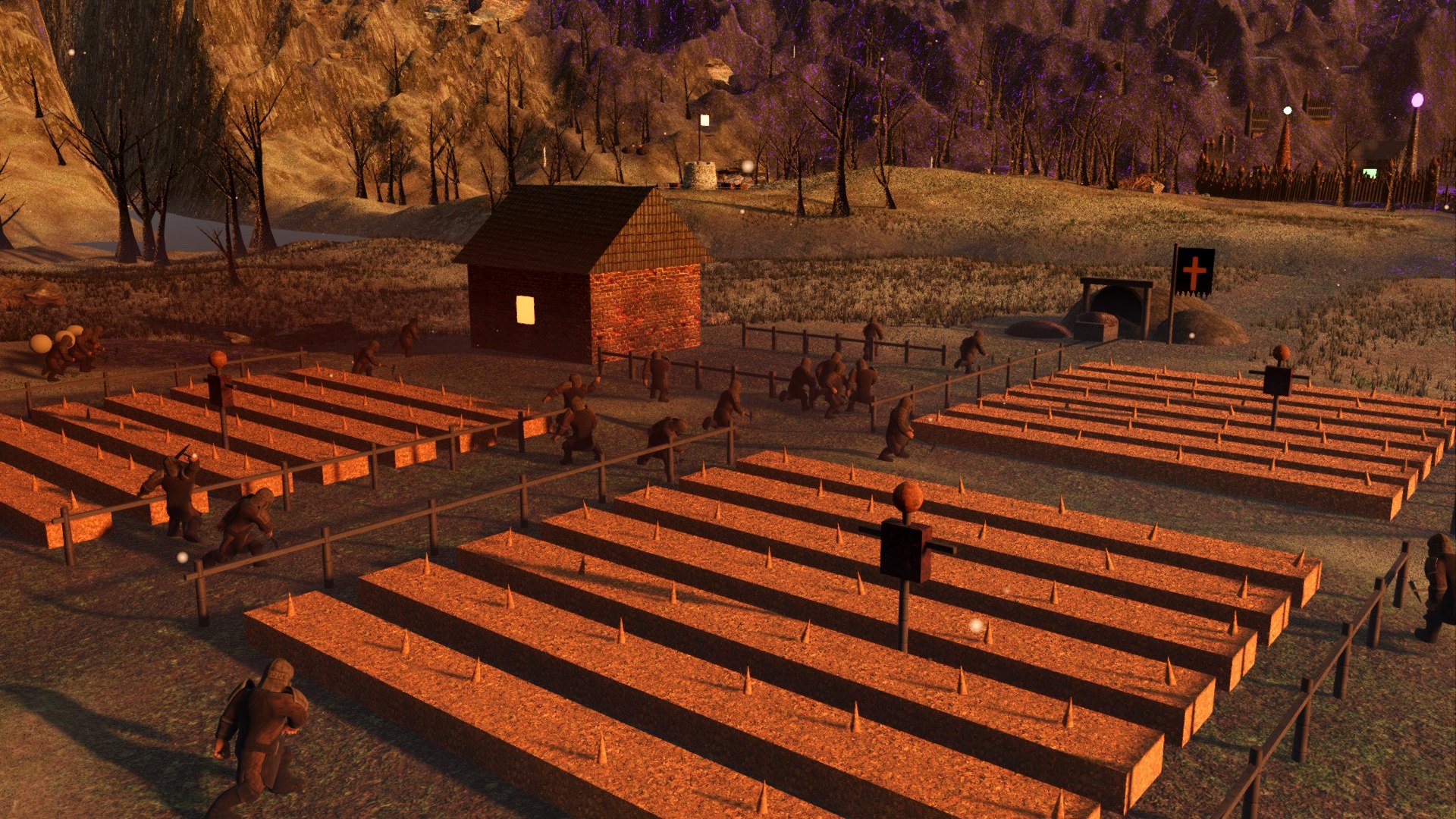
The West — lands of the Order - The Citadel of Ash. Stronghold of the Order of Ash. While the Citadel stands, the Order stands. - Saint Irma's Ford. An ancient ford across the Black River where Saint Irma burned the first of the dead. Ferrymen see her lamp beneath the water. - The Grey Fields. Ashen fields that feed the Order's army. Peasants plough under the guard of spearmen. - The Monastery of Embers. The monks keep the eternal fire and train the Sisters of Ash.
The East — lands of the Cursed Court - The Black Crypt. Count Valdrek's lair and the tomb of sixty kings. The heart of the Cursed Court. - Valdrek's Barrows. Barrows where the Count buries his knights — for a while. - The Dead City of Elm. A city whose people never noticed their own death. - The Rotting Marsh. Marshes where the dead lie shallow and rise at the first call.
The North — lands of the Wild Clans - The Great Tent. Chieftain Grokh's camp. The clans bring trophies here from all over Valdmar. - The Raven Wood. A dead forest where ravens circle over forgotten graves. The clans hunt here. - The Wolf Hills. Dens of the war wolves. At night the hills howl in every voice. - The Sacred Grove. A circle of stones where the shamans speak with the ancestors and where Grokh became chieftain.
The South — lands of the Abyss - Azgar's Rift. A crack in the world through which the Abyss breathes fire. - The Sulphur Fields. Boiling sulphur wells. The air here cuts the throat. - The Obsidian Ridge. Black glass of frozen lava. Here demon carapaces are forged. - The Burning Waste. Scorched earth where fire does not go out for years.
No One's Land - The Wailing Waste. A scorched plain at the heart of Valdmar. The wind here sounds like a moan. - The Ruins of Ardenna. The former capital of the kings. The stones remember the Night of Ash and the first war with the Count. Here the Crown was found. - The Gallows Cliff. From the cliff all of Valdmar can be seen. Heretics of all four powers swing on its gallows. - The Quiet Vale. Villages the Corruption has not yet touched. For how long? - The Rusty Hill. A hill strewn with the rusted iron of ancient battles. - The Bone Pass. The only road through the eastern mountains, paved with bones. - The Witch Marsh. Misty marshes where witches sell potions to every side of the war. - The Watchstone. An old watchtower at the crossroads of the northern roads. - The Black Ford. The second ford across the Black River. Whoever holds it holds the south.
Chronicle
- Year 0 of the Crown — The Fall of Fire. The smith Vald forges the Crown and founds Valdmar. The clans go north.
- c. 300 — The Golden Age. Ardenna is built. The Counts of Elm become Keepers of the Crypt.
- 611 — King Ardric the Quiet names a commoner as his heir.
- 612 — The Night of Ash. Valdrek's rite, the burning of Ardenna. The dead rise; the Rift opens.
- 612 — Saint Irma burns the first of the dead at the ford. The Order of Ash is born.
- 615–640 — The First War with the Count. The battle at the Ruins of Ardenna.
- the 650s — The Rift widens. The Sulphur Fields and the Obsidian Ridge appear. Azgar takes a body.
- the 680s — Grokh unites the nine clans at the Sacred Grove.
- 707 — The monks find the Ashen Crown beneath the Ruins of Ardenna. The War for Valdmar begins.
The Laws of War
- The Corruption. Land where the dead have walked or the sulphur of the Abyss has spilled turns black. On the Corruption the dead grow stronger, demons heal, and the living lose heart. The Order cleanses it with fire and prayer.
- The Fallen. A body on the battlefield does not vanish: it rots, becomes bones — and may rise again. The Order burns the fallen for Faith, the Court raises them, the clans strip them for trophies, the Abyss devours their souls.
- Day and Night. At night the dead grow stronger, wolves run faster, and the living lose their nerve.
- The River. The Black River divides Valdmar. In spring, in the flood, the fords vanish and the river can only be crossed by bridges — and bridges can be burned.
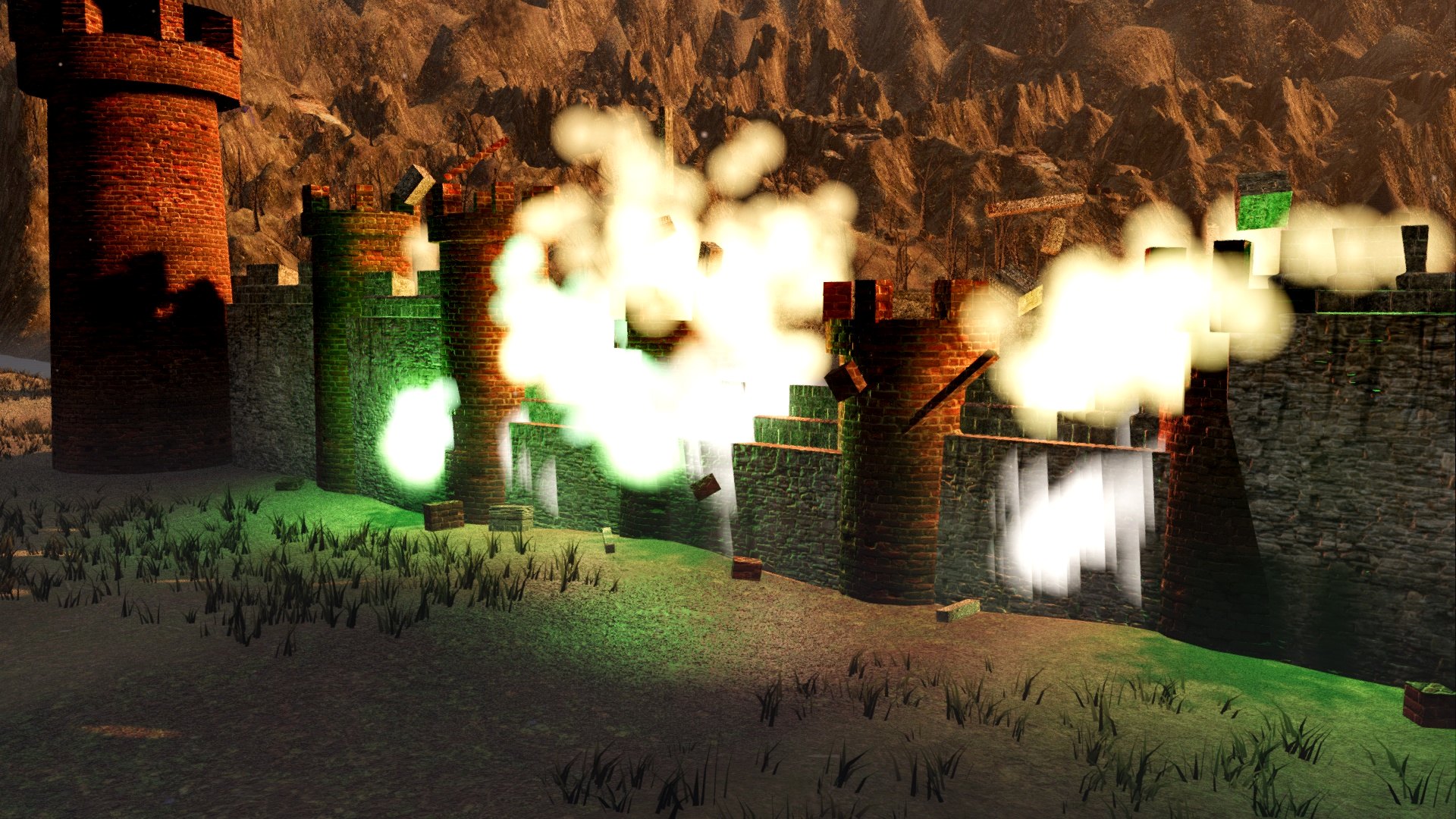
- Fortresses. Walls, staked ditches, water and lava in the moats, traps, tunnels, garrisons in the towers — all of it decides a siege. But no wall will stand for ever against ladders, rams and catapults.
The Map of Valdmar
Hover over a land to read about it.